
Outpatient wart removal procedures offer effective, natural solutions for hand warts near Oxford and Reading. Cryotherapy, surgical excision, and laser treatments, guided by professional consultation, ensure tailored care and minimal discomfort. Post-treatment aftercare, including proper hygiene and topical medications, is crucial for successful outcomes. Natural approaches focus on immunity and minimal risk, with cryotherapy a popular choice. Consulting specialists for personalized guidance enhances recovery and prevents recurrences in cities like Newcastle, Leicester, Glasgow, Leeds, Cardiff, and beyond.
Hand warts are a common skin concern, affecting individuals of all ages. These small, rough growths, caused by the human papillomavirus (HPV), can be unsightly and sometimes painful, impacting one’s confidence and daily activities. Outpatient treatments offer a convenient and effective solution for wart removal, allowing patients to address this issue without extensive downtime. This article delves into the various outpatient wart removal procedures naturally available, providing an authoritative guide for those seeking efficient and safe methods to eliminate hand warts.
- Understanding Hand Warts: Causes and Types
- Outpatient Settings: The Ideal Environment for Wart Removal
- Common Outpatient Wart Removal Procedures Explained
- Natural Approaches to Outpatient Wart Treatment
- Patient Preparation: Ensuring Effective Outpatient Wart Care
- Post-Procedure Care and Recovery: Back to Normal After Wart Removal
Understanding Hand Warts: Causes and Types
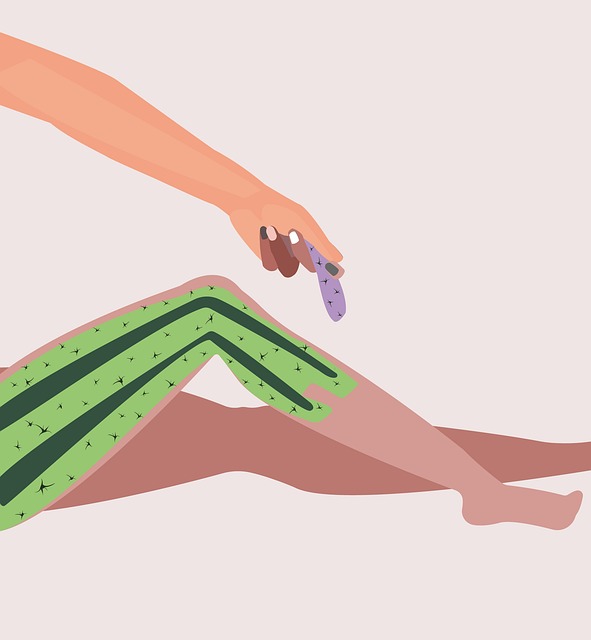
Hand warts are a common skin condition characterized by small, rough bumps that typically appear on the hands or feet, although they can occur anywhere. They are caused by the human papillomavirus (HPV), with different types of HPV leading to distinct wart appearances and behaviors. Common types include common warts, plantar warts, and flat warts, each presenting unique challenges for outpatient wart removal procedures.
Outpatient wart removal near me Oxford or cosmetic wart removal Reading offers various natural and effective solutions. For instance, cryotherapy, also known as freezing warts, is a popular method where liquid nitrogen is used to kill the infected skin cells. This procedure is usually quick and relatively painless, making it suitable for many patients. Alternatively, surgical excision involves removing the wart with a scalpel, often used for larger or persistent warts. Laser treatments are another option, targeting specific pigments in the wart to destroy it with minimal scarring.
When considering outpatient wart removal Reading, it’s crucial to consult professionals who can diagnose and treat various wart types effectively. Data suggests that a combination of treatments may be necessary for certain cases, as many patients experience recurrences. Regular check-ups and proper aftercare instructions are essential to ensure successful outcomes. Patients should remember that while these procedures aim to remove warts naturally and comfortably, individual results may vary, and follow-up sessions might be required for optimal wart removal and prevention of recurrence.
Outpatient Settings: The Ideal Environment for Wart Removal
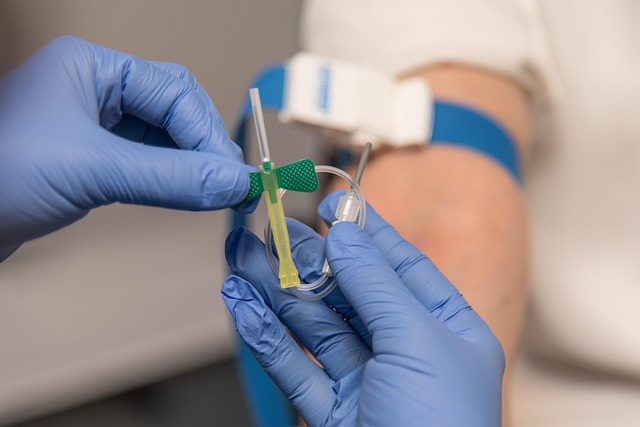
Outpatient settings offer an ideal environment for wart removal, providing a comfortable and sterile space tailored to addressing skin concerns efficiently. This approach is particularly beneficial for hand warts, which can be both aesthetically unsettling and uncomfortable. Unlike more invasive procedures requiring hospital admission, outpatient wart removal procedures naturally focus on minimizing discomfort while maximizing effectiveness. For instance, in Newcastle, Leicester, or Glasgow, patients seeking wart removal near me can expect expert care in modern clinics equipped with advanced techniques such as cryotherapy, topical medications, or surgical excision.
The advantages of outpatient wart removal are multifaceted. Firstly, it allows for same-day treatment and recovery, fitting seamlessly into a patient’s daily routine without disrupting work or personal commitments. Secondly, outpatient settings promote cost-efficiency by eliminating the need for extensive hospital resources, making specialized treatments more accessible and affordable. For example, studies have shown that cryotherapy, a common outpatient wart removal procedure, can achieve high cure rates with minimal side effects when performed by trained professionals.
Furthermore, cosmetic considerations play a significant role in choosing an outpatient setting for wart removal. In cities like Newcastle, Leicester, or Glasgow, where aesthetic concerns are prevalent, clinics prioritize the privacy and comfort of their patients. Skilled dermatologists employ advanced techniques to ensure that the procedure is not only effective but also minimizes scarring, providing patients with the confidence to resume social and professional activities without embarrassment. By combining expertise, modern technology, and patient-centered care, outpatient settings for wart removal near me offer a comprehensive solution tailored to individual needs.
Common Outpatient Wart Removal Procedures Explained
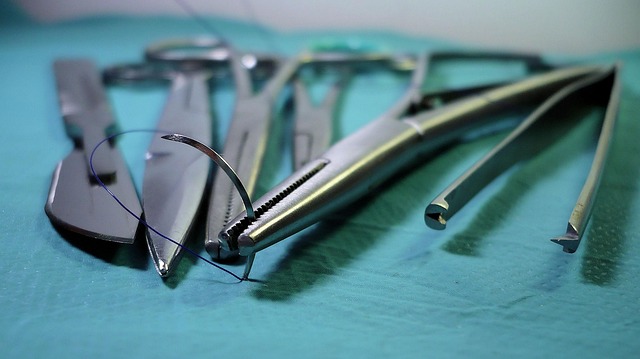
Hand warts can be a persistent and unsightly concern, but there are several outpatient wart removal procedures available to patients across the UK. These treatments offer effective solutions without the need for extensive hospital stays or invasive surgeries. One of the most common approaches is cryotherapy, where liquid nitrogen is used to freeze and destroy the wart. This method is typically quick and relatively painless, making it suitable for many individuals. Another popular choice is topical medication application, involving prescription creams or paints that contain chemicals to soften and remove the wart over time.
For more complex cases, patients can opt for procedures like surgical excision, where a doctor carefully cuts out the wart and may stitch the area if necessary. This procedure ensures complete removal but carries a slightly higher risk of scarring. Laser therapy is another advanced option, using concentrated light to burn away the wart tissue. While effective, it tends to be more expensive and may cause temporary discomfort or redness. Outpatient wart removal specialists in cities like Oxford, Liverpool, and Milton Keynes are equipped with these tools and techniques, allowing patients to receive specialized care close to home.
Choosing the right procedure often depends on the size, type, and longevity of the wart, as well as personal comfort levels. It’s essential to consult a qualified healthcare professional who can assess your specific case and recommend the most appropriate outpatient wart removal procedure naturally. They can also provide guidance on post-treatment care, which may include keeping the treated area clean and protected, applying topical medications, or avoiding certain activities until healing is complete.
Natural Approaches to Outpatient Wart Treatment

Many individuals seeking outpatient wart treatment prefer natural approaches to avoid the potential side effects of chemical treatments. Natural outpatient wart removal procedures focus on strengthening the immune system to fight off the viral infection that causes warts, as well as utilizing topical remedies with minimal risk. One popular method involves cryotherapy, where warts are frozen with liquid nitrogen. This procedure is widely accessible; for instance, many dermatology clinics in Reading offer cryotherapy as a non-invasive option for wart removal near me. While effective, it may require multiple sessions and can cause temporary discomfort.
Another natural approach leverages the antimicrobial properties of certain essential oils, such as tea tree oil or lavender. These oils can be applied topically to warts, often in conjunction with other natural ingredients like apple cider vinegar or aloe vera gel. For example, a study published in SkinMed found that a combination of tea tree and lavender oils demonstrated promising results in treating common warts over a 12-week period. It’s important to note that while these remedies are generally safe, they may not be suitable for everyone, and results can vary. Consulting with a cosmetic wart removal specialist in Edinburgh or Birmingham who specializes in natural medicine is crucial for personalized guidance and ensuring the most effective treatment plan for your specific case.
Beyond topical treatments, lifestyle interventions play a significant role in supporting natural wart removal. Maintaining good hygiene, strengthening the immune system through adequate nutrition and exercise, and avoiding contact with contaminated surfaces can all reduce the likelihood of developing warts or experiencing recurring symptoms. Some patients also find relief through homeopathic remedies or acupuncture, though scientific evidence for their effectiveness in treating warts remains limited. Ultimately, natural outpatient wart removal procedures offer a range of options to suit individual preferences and needs, allowing individuals to address their warts with confidence and minimal intervention.
Patient Preparation: Ensuring Effective Outpatient Wart Care

Preparing patients for outpatient wart removal procedures is a critical step to ensure effective and successful outcomes. This involves a multifaceted approach, from understanding patient expectations to optimizing the treatment environment. For instance, in urban areas like Manchester, Leeds, or Bournemouth, where cosmetic concerns are prevalent, patients often seek natural solutions for wart removal. It’s crucial for healthcare providers to educate patients about the various outpatient options available, including traditional and modern methods. This includes explaining that while some warts may disappear naturally, persistent or unsightly warts warrant professional intervention.
During initial consultations, medical specialists should assess each patient’s unique situation, taking into account their medical history, immune system status, and the type of wart. For instance, verrucae (cosmetic warts) often respond well to outpatient treatments, such as cryotherapy or topikal medications, whereas more aggressive warts might require surgical excision. Providing detailed information about each procedure, including potential side effects and downtime, empowers patients to make informed decisions. Moreover, specialists in Bournemouth, Leeds, or Manchester can offer tailored advice based on regional preferences and cultural sensitivities regarding skin health.
Effective patient preparation includes setting realistic expectations and providing pre- and post-treatment care instructions. Patients should be advised on activities to avoid, such as strenuous exercise or using public pools during active treatments. Additionally, offering practical tips for minimizing pain and discomfort during procedures can enhance patient satisfaction. For example, cryotherapy (a common outpatient wart removal procedure naturally) may cause temporary sensitivity, so suggesting over-the-counter pain relievers in advance can help manage expectations. Regular follow-up appointments are also vital to monitor progress, address concerns, and adjust treatment plans as needed.
Post-Procedure Care and Recovery: Back to Normal After Wart Removal
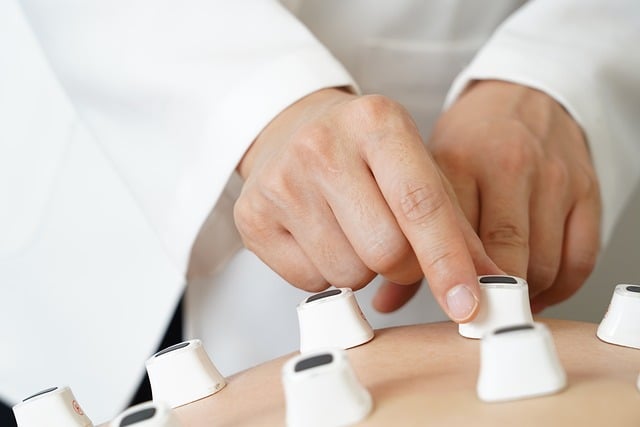
After successful outpatient wart removal procedure, proper post-procedure care is vital for optimal recovery and preventing reoccurrence. The healing process typically begins immediately following the treatment, and patients can expect some mild to moderate discomfort or itching during the first few days. To facilitate faster recovery, it’s recommended to keep the treated area clean and dry, avoiding excessive scratching or irritation. Over-the-counter pain relievers like acetaminophen or ibuprofen can help manage any post-treatment pain or swelling.
As the skin regenerates, it’s crucial to apply gentle, hypoallergenic moisturizers to maintain hydration and support the healing process. Additionally, some experts suggest using specific topical creams or patches recommended by healthcare providers to reduce the risk of infection and ensure proper scab formation. It’s important to note that while home care measures can significantly aid recovery, individuals residing in areas like Glasgow, Leeds, or Cardiff should consider seeking professional advice for comprehensive post-procedure guidance tailored to their local medical practices and resources.
During recovery, patients may notice the wart area gradually falling off, revealing healthy skin beneath. This process can take several weeks, and it’s essential not to rush it. Reexposing treated warts to harsh conditions or attempting to speed up the healing process could lead to complications. Instead, patients should focus on maintaining good hygiene, avoiding known irritants, and monitoring any signs of infection such as increased redness, swelling, or discharge. With proper care, most outpatient wart removal procedures result in clear, healthy skin within a few months, allowing individuals to return to their daily activities with confidence.
Hand warts can be effectively managed through outpatient wart removal procedures, offering a range of options tailored to individual needs. By understanding the causes and types of warts, healthcare professionals can determine the most suitable setting and procedure for each case. Outpatient settings provide a comfortable and accessible environment for wart removal, with common procedures including cryotherapy, salicylic acid applications, and surgical excision. Natural approaches, such as using essential oils or homeopathic remedies, are also discussed, offering alternative treatments for those seeking more holistic options. Comprehensive patient preparation ensures successful outcomes, while proper post-procedure care facilitates a smooth recovery. This authoritative article provides valuable insights into outpatient wart removal, empowering individuals to take control of their skin health with confidence.